From Couch Potatoes to Power Couple
Swapping television marathons for training sessions might seem like a huge leap, but embarking on a fitness journey with your partner can transform your relationship as much as your physique. It's about more than just losing weight or building muscle; it's a shared project that builds communication, support, and a new level of connection. Working out together provides a built-in motivation system, turning mundane exercise into quality time. This shared goal can strengthen your bond, pushing you both to become the best versions of yourselves, together.
Setting shared goals and staying motivated
The first step is to sit down and define what you both want to achieve. Is the goal to improve overall health, train for a specific event like a 5k run, or simply spend more active time together? Your objectives should be realistic, measurable, and tailored to both your fitness levels. Write them down and place them somewhere visible, like on the fridge, as a constant reminder. Motivation can ebb and flow, so having a partner to hold you accountable is invaluable. On days when one of you feels uninspired, the other can provide the encouragement needed to lace up your trainers and get moving. Celebrate small victories along the way to keep the momentum going.
Finding the right fitness activities for you
The best workout is one you both enjoy. The world of fitness is vast, so there's no need to stick to the gym if it doesn't excite you. Explore different fitness activities to find your perfect match. You could try hiking scenic trails on weekends, joining a dance class to learn salsa or tango, or taking up a sport like tennis or badminton. Even simple activities like brisk evening walks can make a significant difference. The key is to experiment. Trying new things together keeps the routine fresh and prevents boredom, ensuring that your fitness journey remains an adventure rather than a chore.
Partner fitness exercises to try
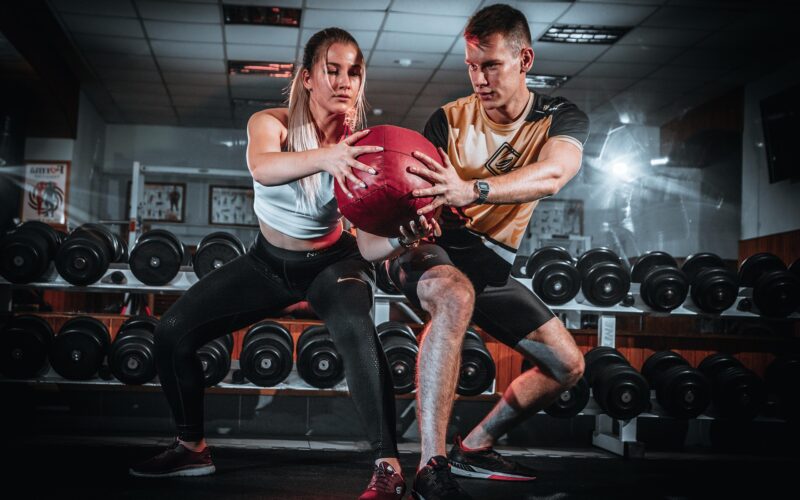
You don't need a gym membership to get a great workout. Many effective fitness exercises can be done at home with your partner. Consider incorporating partner-assisted squats, where you hold hands for balance, or wheelbarrow push-ups for a fun challenge. Medicine ball passes, where you stand back-to-back and twist to pass the ball, are excellent for core strength. Plank variations, like a partner plank with a clap, add a cooperative element to a classic exercise. These movements not only build strength but also require trust and coordination, further enhancing your connection.
Structuring your fitness workouts
Once you have some exercises in mind, it's time to structure your fitness workouts. A balanced routine should include cardiovascular exercise, strength training, and flexibility work. You could dedicate certain days to specific activities. For example, Mondays could be for a high-intensity interval training (HIIT) session at home, Wednesdays for a long run or cycle, and Fridays for a restorative yoga session. This structure provides consistency and ensures you're working different muscle groups throughout the week. Remember to include warm-ups before each session and cool-downs with stretching afterwards to prevent injury and aid recovery.
Beyond the workout
Fitness is not just about exercise; nutrition plays a crucial role. Turn healthy eating into a team effort by planning and cooking nutritious meals together. Explore new recipes, visit a local farmers' market, and make conscious choices about the fuel you're putting into your bodies. Equally important is recovery. Ensure you both get enough sleep and listen to your bodies. Rest days are essential for muscle repair and preventing burnout. This holistic approach to health will amplify your results and solidify your new, healthier lifestyle.
Embarking on this journey together is a powerful commitment to each other's well-being. It's about cheering each other on, celebrating successes, and navigating challenges as a team. By transforming your health together, you're not just becoming a "power couple" in fitness; you're building a stronger, more resilient, and more connected partnership for life.