Tandem Sports
Spending quality time together is one of the cornerstones of a healthy relationship, but not all shared activities are created equal. Tandem sports — activities that require two people to work in sync — offer something that a dinner out or a Netflix evening simply cannot: a physical, emotional, and communicative challenge that you must solve together. The research backs this up too. Studies have shown that couples who exercise together report higher relationship satisfaction and feel more emotionally connected to their partners.
Cycling built for two
Tandem cycling is perhaps the most iconic two-person sport, and for good reason. It demands trust, communication, and coordination from the very first pedal stroke. The person at the back — known as the stoker — cannot steer and must place complete faith in the person at the front. That dynamic alone can be a powerful exercise in vulnerability. Beyond the metaphor, it also gets you outdoors, exploring new routes and clocking up shared memories along the way.
Rowing your way to better communication
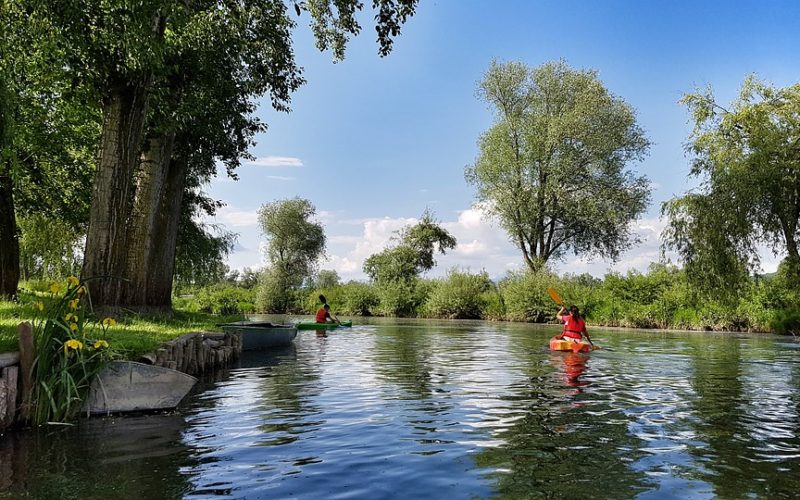
Partner rowing, whether on open water or in a gym on a paired ergometer, is a sport built entirely on rhythm and timing. If one person pulls too hard or too early, the whole effort falls apart. Couples who take up rowing often find that it mirrors the communication patterns in their relationship — and gives them a safe, structured space to improve them. The physical synchrony required can translate into a deeper emotional attunement over time.
Rock climbing as a trust exercise
Few activities test trust quite like rock climbing. In a traditional lead-climbing setup, one partner ascends the wall whilst the other manages the belay rope — quite literally holding their partner's safety in their hands. The vulnerability of this arrangement, combined with the encouragement that naturally flows between climbers, makes it a remarkably effective tool for deepening connection. It also gives both partners a front-row seat to each other's courage.
Doubles tennis and the art of healthy competition
Competitive sports can sometimes create friction, but mixed doubles tennis tends to strike a healthy balance. Playing on the same side of the net means you share wins and losses equally, which fosters a sense of solidarity rather than rivalry. The fast-paced nature of the game also demands quick, wordless communication — a glance, a gesture, a shift in position — which can sharpen non-verbal attunement between partners.
Dancing as movement and connection
Partner dancing — salsa, ballroom, or swing — sits at the intersection of sport and art. It requires physical coordination, emotional presence, and a willingness to lead or follow depending on the moment. Many couples find that the intimacy of dancing together peels back everyday distractions and brings them into genuine contact with one another. Classes are widely available, making it an accessible entry point even for those with no prior dance experience.
Finding the right sport for your relationship
The best tandem sport is ultimately the one that both partners are genuinely excited to try. Some couples thrive on the intensity of climbing or rowing, whilst others prefer the playfulness of dancing or the leisurely pace of tandem cycling. What matters most is the shared commitment — showing up together, working through challenges, and celebrating small victories as a unit. Starting with a beginner's class or a casual session takes the pressure off and lets the connection develop naturally.